
A Simple Guide to Great Coffee
Coffee Farming & Harvesting
Where coffee really begins
Coffee is grown on coffee plants that thrive in warm climates along what’s known as the Coffee Belt — the band of land between the Tropics of Cancer and Capricorn. These plants produce coffee cherries, and inside each cherry are the beans we roast. There are over 70 countries withing the belt that grow coffee including India, the majority of South America, Africa and some of Asia.
Growing
Coffee plants take time. It can be 3–5 years before a plant produces its first harvest, and they need:
- Consistent warmth
- Regular rainfall
- Shade from direct sun
- Rich, well-drained soil
Most specialty coffee is still grown by small farms, often tended by families who’ve worked the land for generations. Our focus is working with independents and cooperatives to roast the best quality, small batch coffee we can.
Harvesting
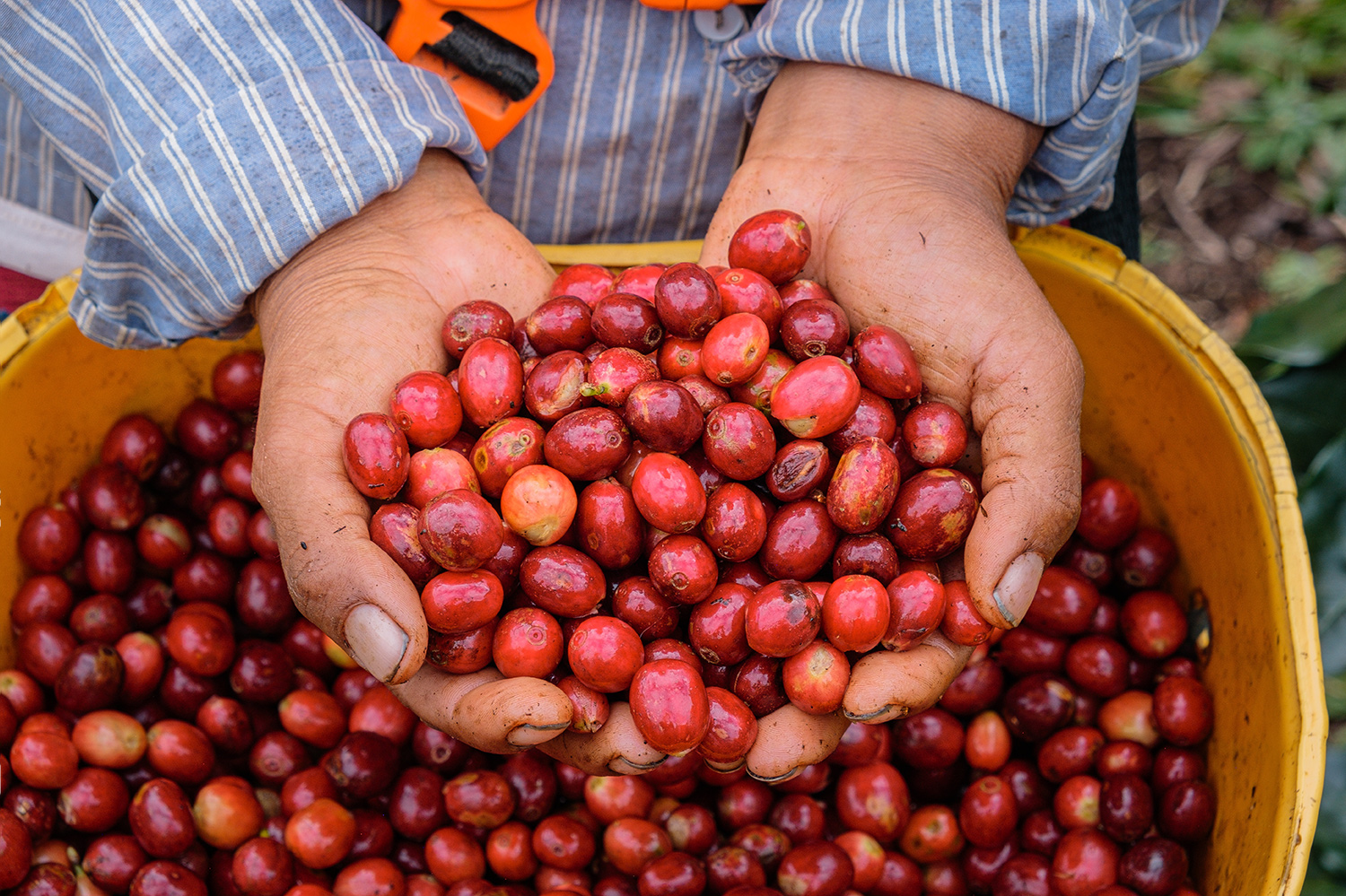
When cherries ripen, they turn a deep red. Harvesting can be done in two main ways:
- Hand-picking – only ripe cherries are selected (higher quality, more labour)
- Strip-picking – all cherries are removed at once (faster, less precise)
Once picked, cherries are processed to remove the fruit and dry the beans before export. Every step here affects flavour — long before roasting ever begins. Below is a guide to the different methods:
Processing
Processing is the step where the coffee cherry is removed from the bean. The method used has a major influence on flavour, mouthfeel, and sweetness.
Washed (Wet) Process
- Method: Fruit is removed before drying
- Flavour: Clean, crisp, bright
- Common in: Central America, East Africa
Washed coffees highlight acidity and clarity, making origin characteristics shine.
Natural (Dry) Process
- Method: Cherries dry with the fruit still intact
- Flavour: Sweet, fruity, wine-like
- Common in: Ethiopia, Brazil
Nautrally dried coffee often produce bold fruit flavours and heavier bodies.
Honey (Pulped Natural) Process
- Method: Some fruit left on during drying
- Flavour: Sweet, smooth, syrupy
- Common in: Costa Rica, Central America
The name comes from the sticky texture, not actual honey. The beans are ‘pulped’ meaning that the cherry is removed but the sticky mucilage is left intact (inbetween skin). This method balances brightness and sweetness beautifully.
Experimental & Extended Fermentation
- Method: Controlled fermentation techniques for example using pressurised tanks
- Flavour: Unique, expressive, sometimes funky
- Common in: Small specialty farms
These coffees push boundaries and can offer exciting, unexpected flavours.